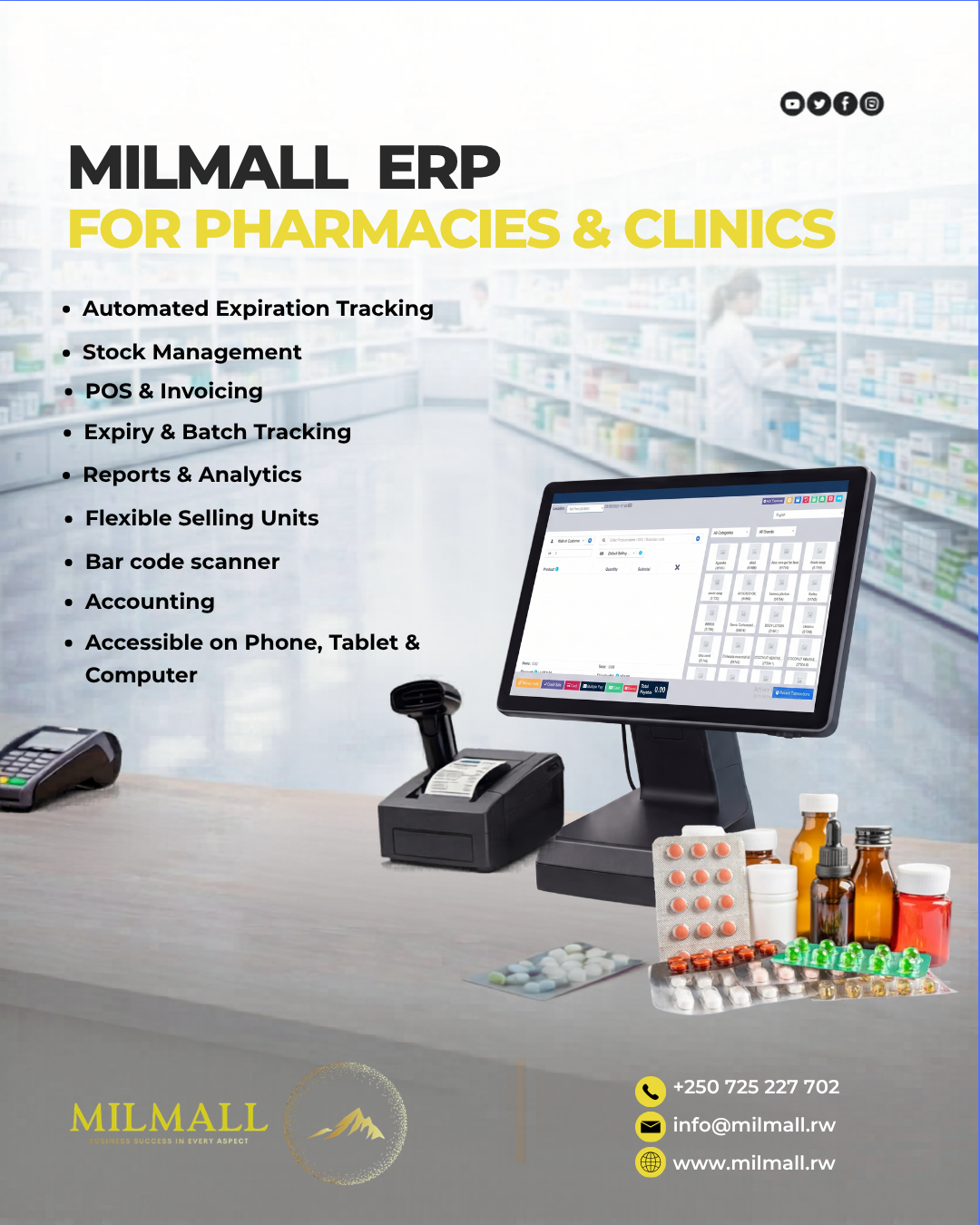
Running a pharmacy or medical clinic is not like running a standard retail store. While a clothing retailer might worry about changing seasonal trends, a pharmacy owner carries a much heavier burden: patient safety and strict regulatory compliance.
When you are managing thousands of unique medical products, syrups, and tablets, absolute precision is required. One of the single biggest pain points in the pharmaceutical industry is managing the lifecycle of medicine. Accidentally selling an expired product is a massive liability, but throwing away perfectly good medicine because it was lost in the backroom is a devastating financial drain.
If your pharmacy is still relying on manual checks to rotate stock, it is time to upgrade to a dedicated Pharmacy ERP.
The Financial Drain of Poor Expiration Tracking
In a bustling medical store, it is incredibly easy for newer stock to be pushed to the front of the shelf while older stock is shoved to the back. Without an automated digital system alerting your staff, those older items will inevitably pass their expiration dates.
This results in “shrinkage”—a direct hit to your profit margins. Furthermore, if a customer discovers they have been sold an expired item, the damage to your pharmacy’s reputation can be catastrophic.